$1,500 credit
8–11 windows/doors, or projects $15,000–$24,999
FREE QUOTE · STEP 1 OF 3
Free · No obligation · Takes about 60 seconds
HTR Solutions replaces drafty windows and tired doors across BC and Alberta — from Prince Rupert to Calgary. Flexible financing, plus honest advice on whether any programs apply to your project.
Limited-time offer · Ends November 30, 2026
Home Upgrade Credit
8–11 windows/doors, or projects $15,000–$24,999
12+ windows/doors, or projects $25,000+
Can be used with financing. Cannot be combined with other offers — the larger discount applies.
Terms: Credit applies to signed contracts dated on or before November 30, 2026. Minimum 8 windows/doors or $15,000 installed project value (before tax). Credit is applied to the final contract price and is not redeemable for cash. Not combinable with other HTR Solutions promotions. Our regular quoted pricing is not increased for this promotion. Installation territory and eligibility confirmed during your free in-home consultation.
Our representative will be in Terrace, Kitimat and Prince Rupert from October 15 to 25 for free in-home window assessments. Appointments are limited each day — book your free assessment while we are in your area.
Programs change often. We explain financing options and give you honest advice about whether anything applies during your free in-home assessment.
There is currently no provincial cash-back rebate for replacement windows in BC that we can promise you. Programs change often — if anything applies to your project, we will tell you during your free in-home assessment, and if nothing applies, we will say that plainly too.
We confirm everything at your free in-home assessment.
A low-interest loan for Alberta homeowners 65+ to fund energy-efficient upgrades like new windows and doors, repaid from your home equity.
Income and home-equity conditions apply.
Eligibility depends on the program and where you live. You may qualify if:
From a single foggy window to a whole-home replacement, we supply and install products matched to the climate they have to survive — coastal damp on BC's north coast, deep cold and chinook swings across Alberta.
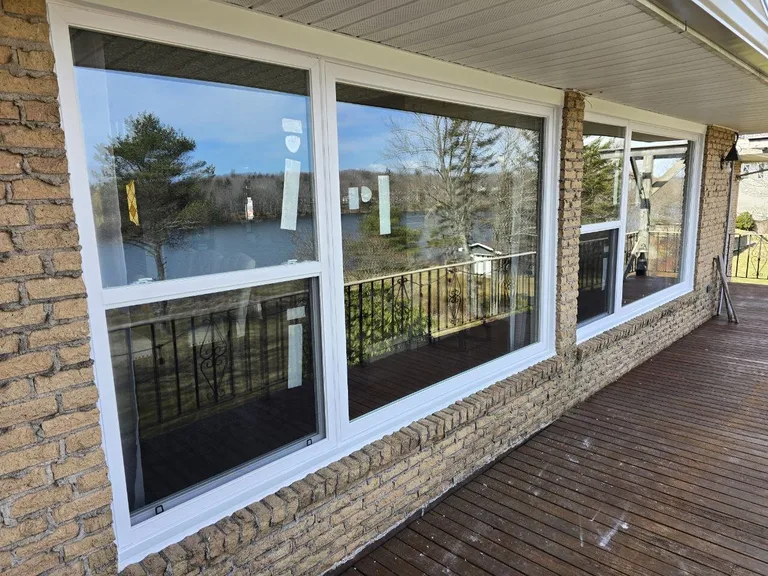
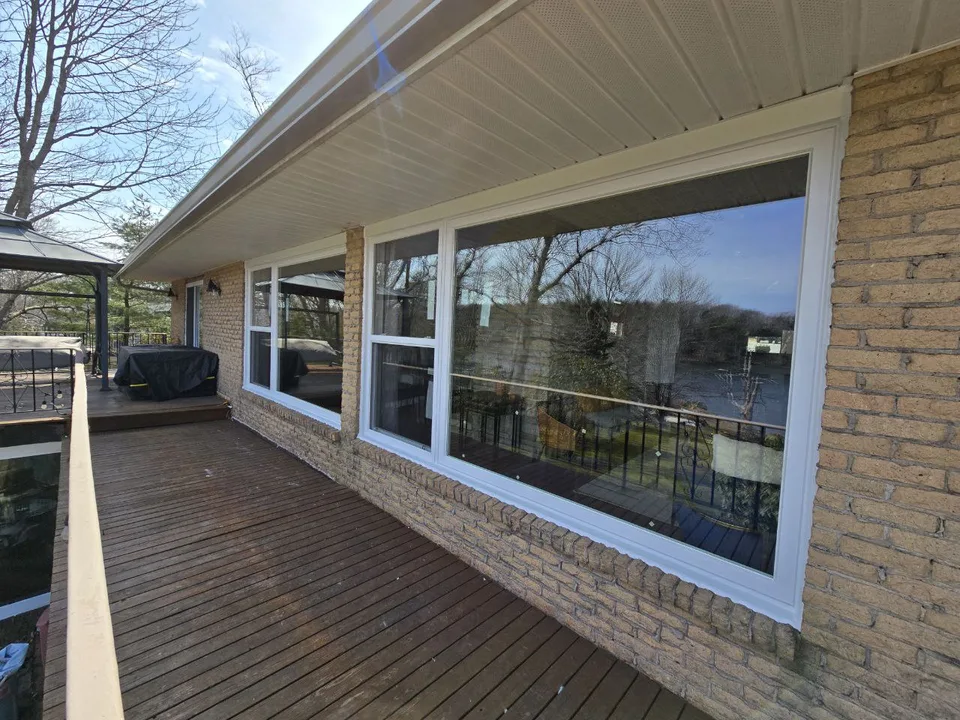
Quad Sill Arctic Collection — vinyl, triple-pane & Low-E built for cold, wet and windy.
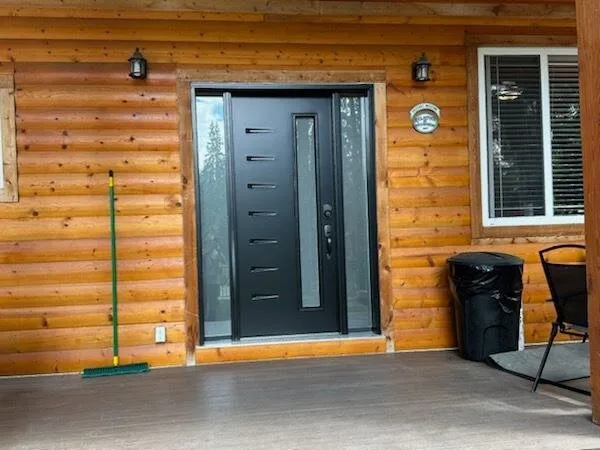
Entry, French & sliding patio doors that seal tight and look sharp.
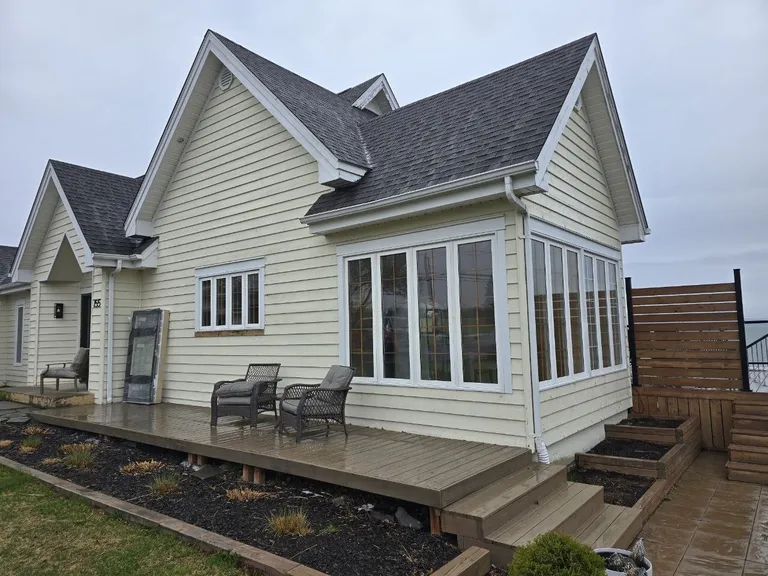
ENERGY STAR® rated systems, plus help with financing and honest program advice.
A balanced Low-E coating that lets more of the sun's warmth into the home — a strong fit for cold, heating-dominated climates.
Stronger solar control for sunny south- and west-facing glass — helps keep rooms cooler and more comfortable in summer.
A special coating that uses daylight and rain to help loosen and rinse away dirt, so your windows stay cleaner longer and are easier to clean.
Three easy steps from first call to finished install — with us handling the paperwork where a program applies.
Tell us what you need. We visit, measure, and show you product options — no pressure, no charge.
Takes ~30–45 minYou get a clear, itemized quote with financing options and honest advice about whether any programs apply.
Paperwork where a program appliesOur experienced install crew works clean and tidy, hauls away the old units, and leaves your home better than we found it.
Most jobs: 1–3 daysEach pin is a home where we've installed windows or doors — Terrace, Kitimat, Prince Rupert and the Bulkley Valley. Pin locations are approximate to protect our customers' privacy.
Not sure if we reach you? Message us on WhatsApp — if you're nearby, we'll come out.
Each pin is an Alberta home where we've installed windows or doors — from Calgary to Medicine Hat and Coronation. Pin locations are approximate to protect our customers' privacy.
Chinook country is its own test. A window in Calgary or Red Deer rarely fails from one cold night — it fails from thousands of cycles between deep freeze and thaw. Here's what we actually design around.
A chinook can lift the temperature sharply in a matter of hours, then let it fall back the same day. Every cycle expands and contracts frame, glass and sealant at different rates. We spec for that fatigue, not just for a cold-weather rating.
Alberta winters are cold and dry, so most homes run a humidifier — which puts moisture in the air exactly when the glass is at its coldest. Warm-edge spacers and triple-pane units keep the interior glass surface warmer, so it collects far less.
Central and southern Alberta takes some of the heaviest hail in the country. Large stones crack glass, tear screens and dent the capping around an opening, and repeated hits work the seals loose. After a serious storm, have your windows and doors checked, not just the roof.
Calgary is among the sunniest cities in Canada, and clear-sky sun carries a lot of UV through south and west windows. Low-E coatings cut a meaningful share of the UV that fades floors and furniture.
See what we recommend for Calgary, Airdrie, Canmore, Red Deer, Lethbridge, Medicine Hat, Edmonton and Coronation.
Spread the cost into fixed monthly payments through Financeit. Example: $10,000 at 9.99% APR over 60 months ≈ $216/month (OAC, includes $149 admin fee). 0% promotional plans are also available on approved credit — ask during your free quote.
Pay it off early any time with no penalty. Interest is calculated daily (OAC).
Spread the cost into comfortable monthly installments that fit your household budget.
A quick, simple application with fast decisions — so your project can start sooner.
Straight answers on condensation, glass, frames, rebates and installation — written for homeowners across northwest BC and Alberta.
Interior condensation is warm, humid indoor air meeting a cold glass surface — like a cold drink sweating in summer. It's a humidity-and-temperature problem, not always a window defect. Old single-pane and failed units run very cold, so they collect moisture first. Lowering indoor humidity and upgrading to warmer-surface glass both reduce it.
Inside the glass (room side): indoor humidity is too high for the glass temperature; manageable. Outside (exterior surface): usually a GOOD sign — the window insulates so well the outer glass stays cool enough to catch morning dew; harmless and temporary. Between the panes: the sealed unit has failed and moisture is trapped; this needs repair or replacement.
They greatly reduce it but can't override physics. New units with warm-edge spacers and Low-E coatings keep the interior glass much warmer, so condensation forms far less often. But a home that generates lots of moisture (cooking, showers, drying laundry indoors) with no ventilation can still see some on the coldest days. Windows plus reasonable humidity control is the real fix.
The colder it is outside, the lower indoor humidity should be. A common guideline is about 30–40% relative humidity in mild winter weather, dropping toward 25–30% in deep cold snaps. Persistent fog on good windows usually means the indoor air is too humid — a bathroom fan, range hood, or HRV usually solves it.
Two usual reasons: those windows are in higher-moisture rooms (bathrooms, laundry rooms, bedrooms), or they're in spots with poor air circulation — behind heavy curtains, blocked by furniture, or far from a heat register. Cold air pooling against the glass plus trapped moisture equals fog.
Mould means moisture has sat on that surface repeatedly. Clean the existing growth, then tackle the source: lower indoor humidity, improve airflow around the window, and address any cold drafty unit producing condensation. Recurring mould around windows is one of the clearest signals that aging windows should be replaced.
Usually not. Room-side condensation on a new window points to indoor humidity, not a fault, and exterior dew is a sign of good insulation. The one case that IS a defect is moisture sealed between the panes, which shouldn't happen on a new unit and would be a warranty matter.
Frost is condensation that froze because the glass surface dropped below freezing — a hallmark of single-pane or failed older windows combined with high indoor humidity. Warmer multi-pane glass rarely gets cold enough on the room side to frost, which is why upgrading usually eliminates it.
Tell us about your project and we'll show you your options — including financing and honest advice about whether any programs apply. No cost, no pressure.
See the difference for yourself
Slide to compare a real before & after from one of our installs.
Patio door replacement — old white patio door and sidelites replaced with a black multi-panel patio door. Drag to compare.
Real HTR job, same angle"Our 1970s windows were soaked with condensation every winter. HTR swapped all nine in two days. Night-and-day difference."
"Honest quote, local crew, no surprises. The new patio door is gorgeous and the house already feels warmer. Couldn't recommend them more."
"Install was tidy and they hauled the old doors away. 10/10."