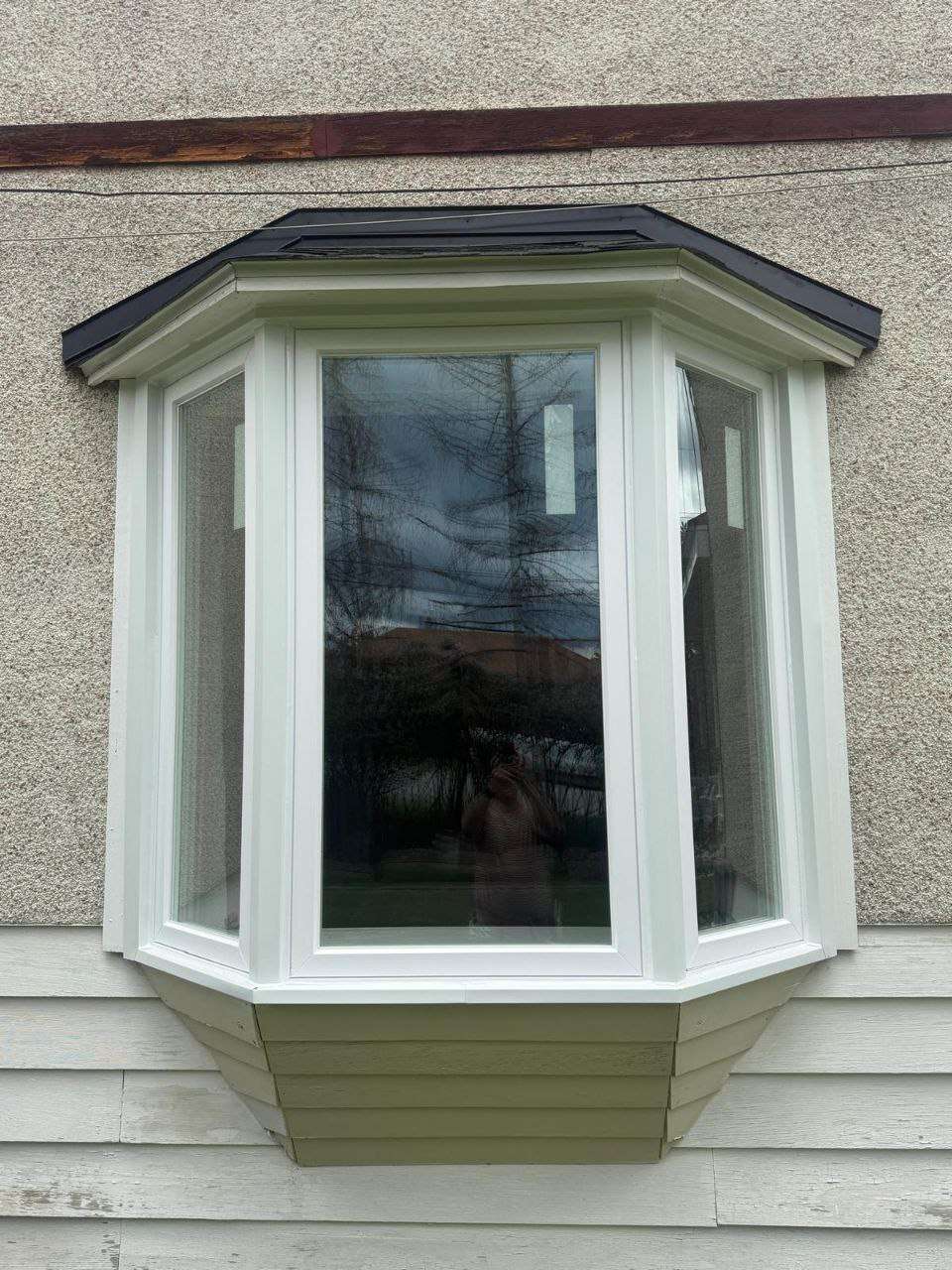
Cardinal LoĒ-180 Glass (Low-E 180): The Sun-Catcher for Cold Winters
LoĒ-180 lets in the most sunlight of Cardinal's coatings while still keeping your furnace heat inside. Think of a car parked in the winter sun: it warms up. Where that is a gift, and where it is a problem.
Park your car in the sun on a cold, clear February day and come back an hour later. It is warm inside, even though it is freezing out. Sunlight came through the glass and turned into heat.
Cardinal LoĒ-180 is designed to use that effect in your house.
What LoĒ-180 is
LoĒ-180 is Cardinal's passive solar Low-E coating. It has one layer of silver, and it is built to:
- let in plenty of the sun's warmth in winter, and
- keep your furnace heat from escaping back out through the glass.
It is the brightest and "warmest" of Cardinal's main coatings.
The numbers, simply
Cardinal's published centre-of-glass figures for a standard double-pane, argon-filled unit:
| Plain clear glass | LoĒ-180 | |
|---|---|---|
| Daylight through (VT) | about 82% | about 79% |
| Sun's heat through (SHGC) | about 0.78 | about 0.64 |
| Heat loss (U-factor, lower is better) | about 0.46 | about 0.26 |
In plain words: you lose almost no daylight compared with clear glass, you still get a good share of the sun's warmth, and your heat loss through the glass drops a lot.
Approximate figures from Cardinal's published data. A finished window rates differently because of the frame and spacer — always check the rating on the actual window you are quoted.
Where LoĒ-180 shines
- South-facing windows in cold climates. Winter sun comes in low and straight through the glass. LoĒ-180 lets you use that free heat.
- Rooms that always feel cold, even with the heat on.
- Homes that want maximum daylight with no visible tint.
- Long, cold winters with sunny days, which describes much of Alberta and interior Canada.
In Canada, the ENERGY STAR Energy Rating (ER) rewards glass that lets in winter solar heat, so LoĒ-180 often scores well on that rating in a double-pane window.
Where to think twice
Remember the hot car in July? The same sun that helps in January can overheat a room in summer.
LoĒ-180 may not be the best choice for:
- West-facing windows that take the hot afternoon sun
- Rooms that already overheat in summer
- Homes without air conditioning in sunny spots
- Rooms with furniture or floors you want to protect from fading — LoĒ³-366 gives much stronger fade protection
A smart way to use it
You do not have to use the same glass on every window. A common approach is LoĒ-180 on the south side for winter warmth and LoĒ²-272 or LoĒ³-366 on the west side to control summer heat. See the full comparison: LoĒ-180 vs 272 vs 366.
Paying for it
Choosing the right coating for each side of the house is usually a small cost next to the window itself. On Financeit's 9.99% / 60-month promotional plan, every $1,000 is roughly $21 a month (on approved credit, before any lender fees).
LoĒ-180 is available on the Weather Seal windows we install, alongside LoĒ²-272, LoĒ³-366 and Neat glass. At your free assessment we will show you where LoĒ-180 makes sense in your home. Call +1 (778) 361-2515 — live agent, Mon–Fri, 9am–5pm Calgary time.
Related articles
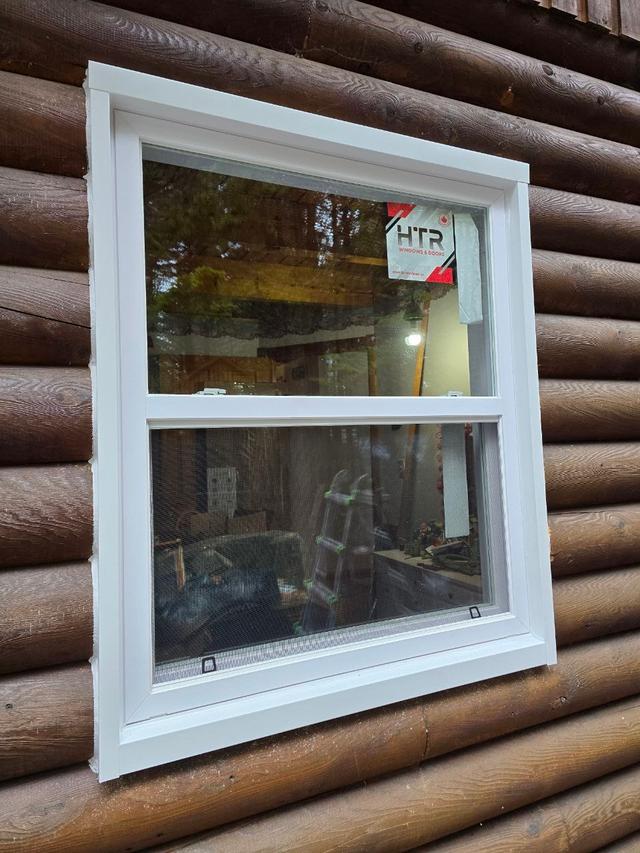
Low-E Glass Explained: The Invisible Coating That Keeps Your Heat Inside
September 28, 2026
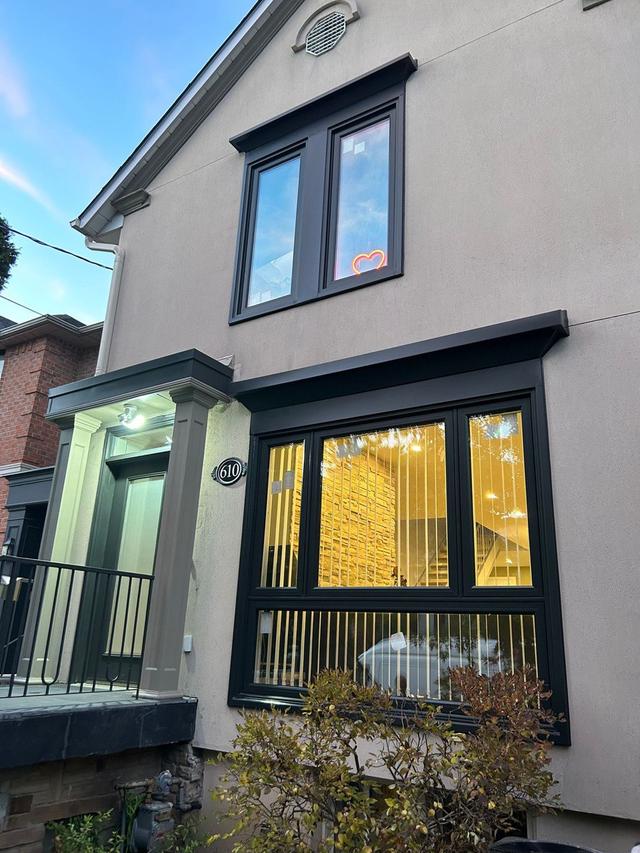
LoĒ-180 vs LoĒ²-272 vs LoĒ³-366: Which Glass for Each Side of Your House?
September 28, 2026
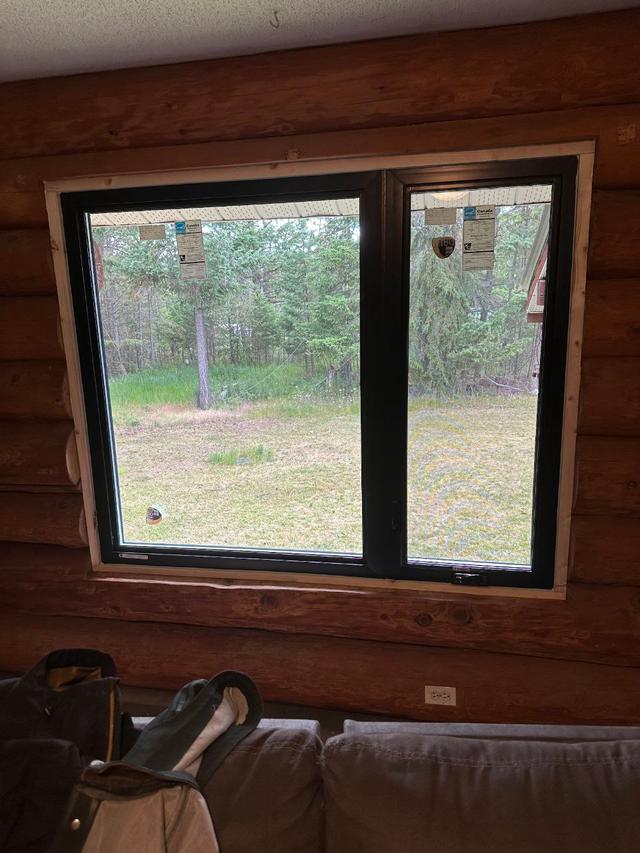
Cardinal LoĒ²-272 Glass (Low-E 272): The All-Season Choice
September 28, 2026
Cardinal LoĒ³-366 Glass (Low-E 366): Maximum Heat and Fade Control
September 28, 2026