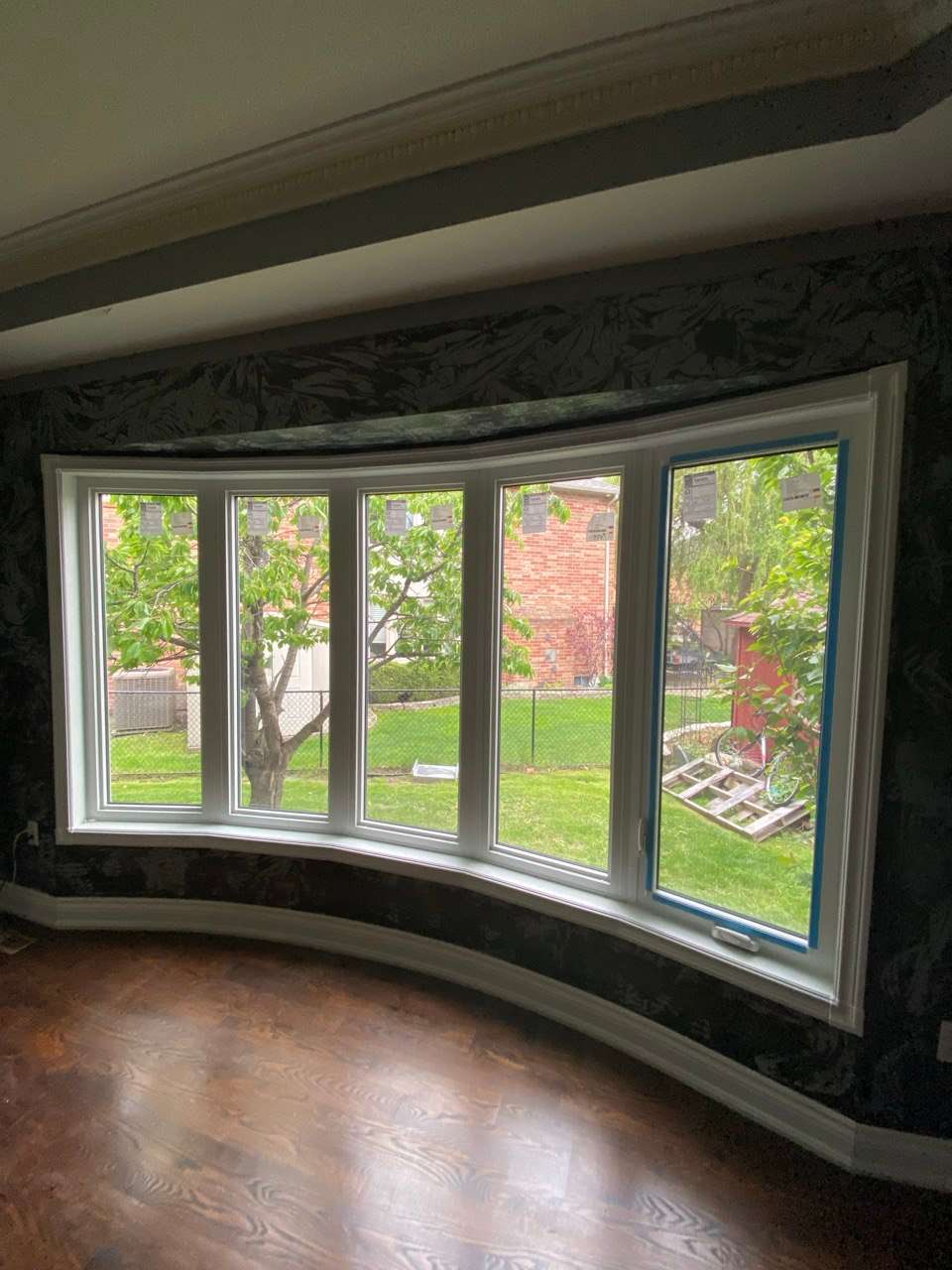
Condensation on the Outside of Your Windows? That Is Good News
Dew on the outside of your new windows on a cool morning looks worrying, but it is the same dew you see on your car windshield and the lawn. It usually means your windows are keeping the heat inside.
A few weeks after new windows go in, some homeowners call us a little worried: "There is water on the outside of my new windows in the morning. The old ones never did that."
That is actually a good sign. Here is why, in plain terms.
Look at your car in the morning
On a clear, cool morning, walk out to your car. The windshield and roof are often covered in dew — or frost in colder weather. The lawn is wet too.
Now look at a car parked under a carport or in a garage. Usually dry.
Nothing is wrong with the first car. Overnight, its glass cooled down below the temperature of the outside air, and the moisture in that air settled on it as dew. Under a roof, the glass stays a bit warmer, so no dew.
Your windows do exactly the same thing.
Why new windows get dew and old ones did not
A good window keeps the heat of your house inside. That means the outer pane of glass stays cold — as cold as the outdoors, like your windshield.
An old or leaky window lets heat from the house pass right through the glass. That leaking heat warms the outer pane just enough that dew does not form.
So:
| What you see | What it usually means |
|---|---|
| Dew on the outside of new windows on cool mornings | The glass is keeping your heat in — working as designed |
| Old windows never had outside dew | Heat was escaping through the glass and warming it |
Modern glass coatings (called Low-E) reflect heat back into the room, which makes this even more noticeable.
When you will see it most
- Spring and fall mornings, when nights are cool and the air is damp
- Clear, calm nights — the same nights your car gets the most dew
- Humid areas, near water, or after rain
- Windows facing open sky, rather than those under a deep roof overhang or a covered porch
That last point explains why some windows get dew and others on the same house do not. It is not that some are better — it is how much open sky they face, just like the car under the carport.
Is it a problem?
No. It sits on the outside, it does not get into the house, and it burns off once the sun comes up and the air warms — usually by mid-morning, exactly like the dew on your car.
It can briefly block the view first thing in the morning. That is the only real downside.
When outside moisture is a concern
Contact us if you see:
- water or moisture between the panes (inside the glass sandwich)
- water coming inside the house, on the sill or wall
- moisture on the outside that never clears, even on sunny afternoons
Those are different issues. See when condensation really is the window's fault.
The short version
Dew on the outside of your windows is your windows saying: "The heat is staying in the house." Your car windshield has been telling you the same story every morning for years.
Questions about your windows? Call +1 (778) 361-2515 — live agent, Mon–Fri, 9am–5pm Calgary time.
Related articles
Why Your Windows "Sweat" in Winter — and Why It Is Usually Not the Window
September 28, 2026

Where Does the Water on Your Windows Come From? Everyday Moisture in Your Home
September 28, 2026

Wet Bedroom Windows Every Morning? Here Is Why
September 28, 2026
How to Set Winter Humidity So Your Windows Stay Dry
September 28, 2026