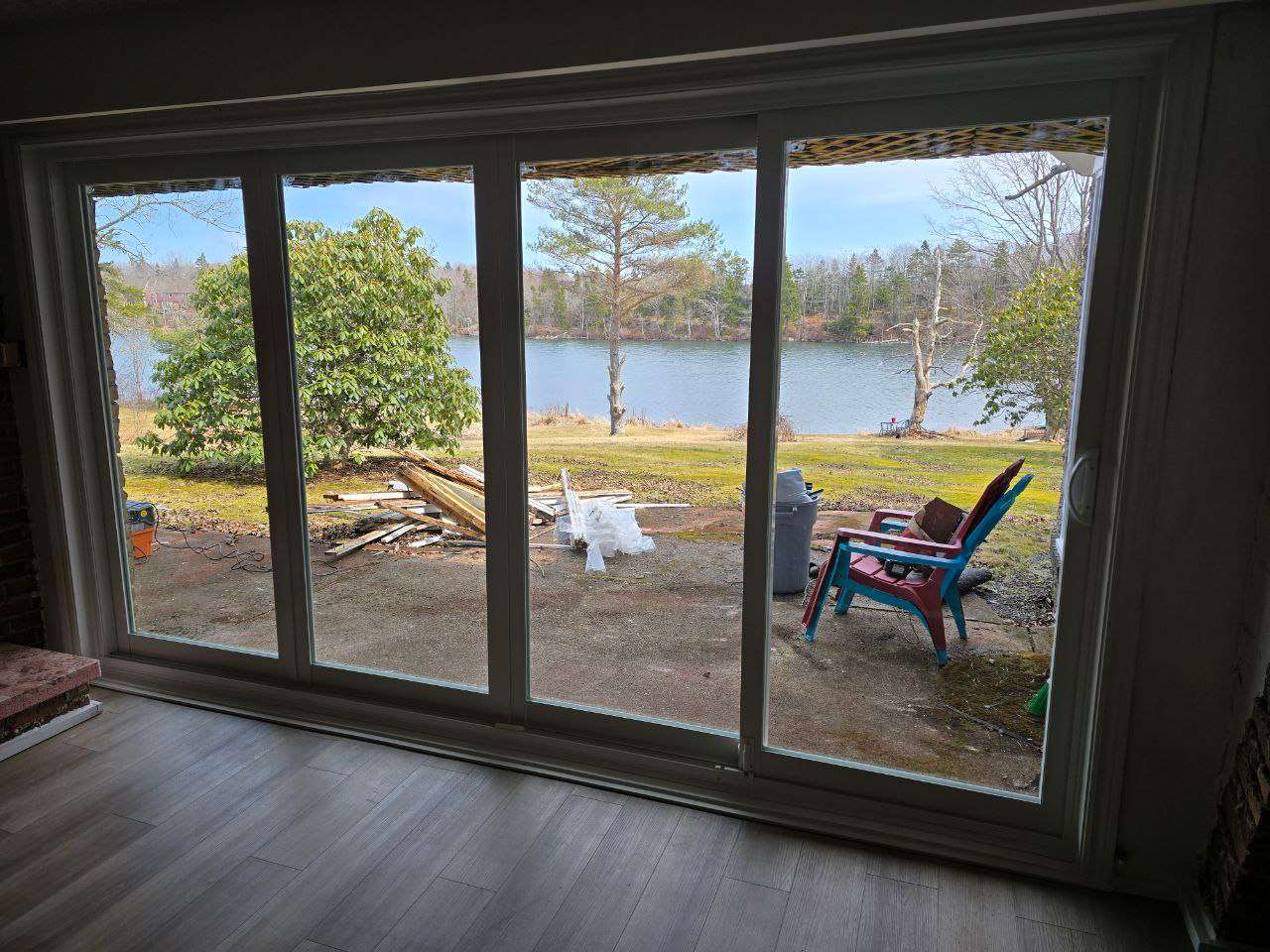
How to Set Winter Humidity So Your Windows Stay Dry
The right indoor humidity changes with the weather outside. A $20 hygrometer and a simple rule of thumb can stop most window condensation — and protect your sills from mould.
If you take one thing from our condensation articles, make it this: know your indoor humidity number. It is the fastest way to find out whether wet windows are a house problem or a window problem.
What humidity is, in one sentence
Relative humidity is how full the air is of water, as a percentage of the most it could hold at that temperature. Warm air can hold more; cold air holds less. When warm, moist room air touches cold glass, it cools down, cannot hold all its water, and drops it on the glass — like the outside of a cold glass of water on a hot day.
Step 1: Get a hygrometer
A hygrometer is a small humidity meter. Many cost under $30 at a hardware store or online, and some thermostats show humidity already. Put it in a main living area, away from the kitchen and bathroom, and check it over a few days.
Step 2: Match the humidity to the weather
The colder it is outside, the colder your glass gets — so the lower your indoor humidity needs to be to keep windows dry. A rule of thumb widely used in Canada:
| Outdoor temperature | Aim for indoor humidity no higher than about |
|---|---|
| 0°C to -6°C | 40% |
| -6°C to -12°C | 35% |
| -12°C to -18°C | 30% |
| -18°C to -24°C | 25% |
| -24°C to -30°C | 20% |
| Colder than -30°C | 15% |
This is a general guide, not a strict law. Better-insulated windows let you keep the air a little more humid before they fog; older windows may need it lower.
Step 3: Bring it down if it is too high
- Run bathroom fans during showers and for 20–30 minutes after
- Use the range hood when cooking; keep lids on pots
- Dry laundry in a vented dryer, not on a rack
- Turn the humidifier down or off during cold snaps — including the one on your furnace
- Run your HRV or air exchanger if you have one
- Keep air moving: doors open a crack, curtains not sealed against the glass
Step 4: Do not overdo it
Very dry air is not great either — dry skin, static shocks, scratchy throats. The goal is not the lowest number possible. It is the highest number your windows can handle without dripping. Adjust as the weather changes.
What your numbers tell you
| What you see | What it means |
|---|---|
| Humidity high, windows wet | Mostly a moisture problem — ventilate first |
| Humidity in range, most windows dry, one window wet | That window may be failing or leaking air |
| Humidity in range, all windows still wet | Glass may be too cold for your climate |
| Fog between the panes | Failed seal — a window problem regardless of humidity |
When the answer is new windows
If your humidity is in a sensible range and the glass still fogs, older windows may simply be too cold on the inside. Newer glass stays warmer and handles normal household humidity much better. See 5 signs condensation is the window's fault.
Call +1 (778) 361-2515 — live agent, Mon–Fri, 9am–5pm Calgary time.
Related articles
Why Your Windows "Sweat" in Winter — and Why It Is Usually Not the Window
September 28, 2026
Condensation on the Outside of Your Windows? That Is Good News
September 28, 2026

Where Does the Water on Your Windows Come From? Everyday Moisture in Your Home
September 28, 2026

Wet Bedroom Windows Every Morning? Here Is Why
September 28, 2026