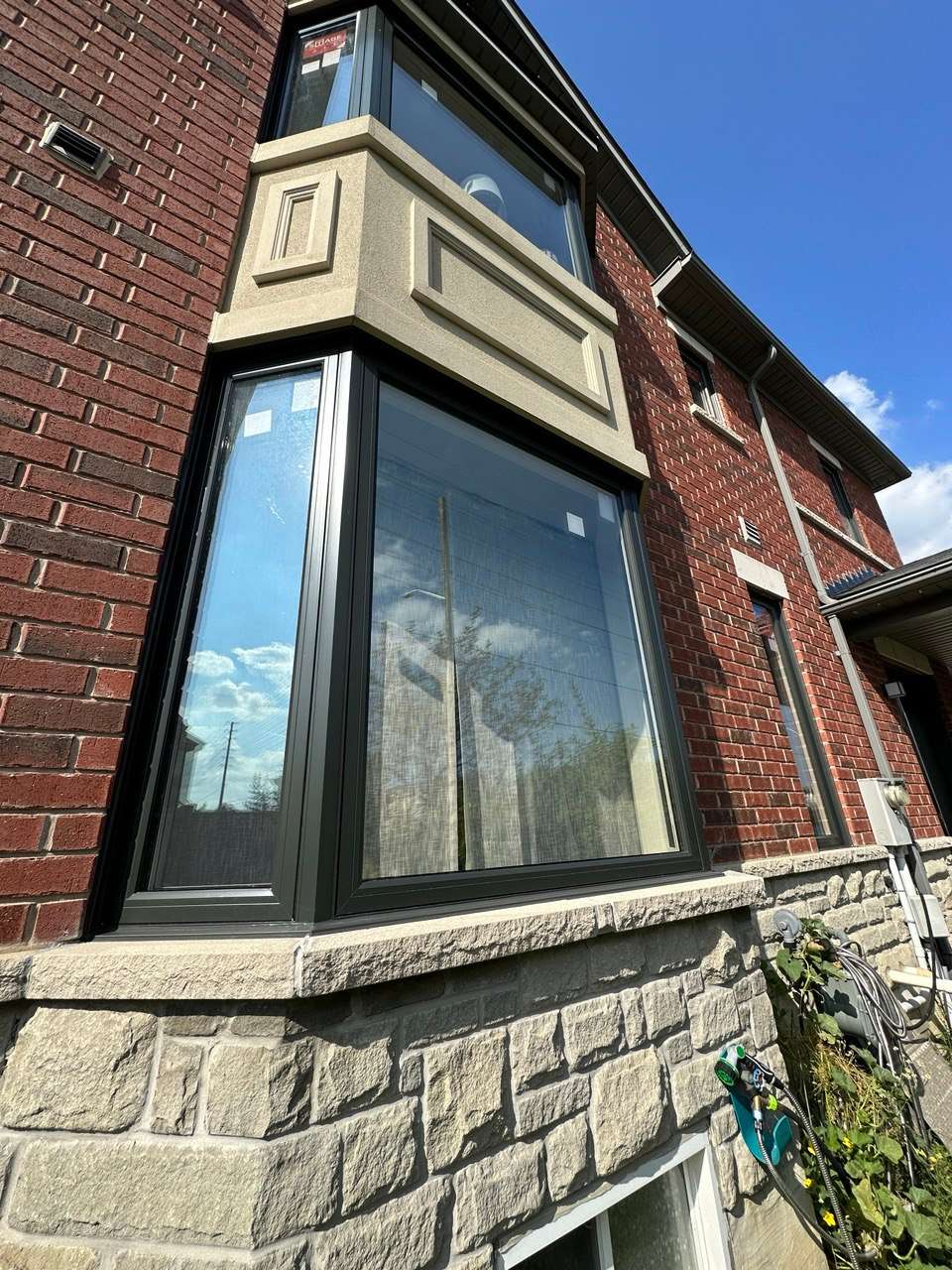
Is Cardinal Neat Glass Worth It? Where It Works, Where It Does Not, and How to Care for It
Neat glass needs sun and rain to do its job. A window tucked under a deep porch roof gets less benefit than one out in the open. An honest guide to which windows to put it on, and how to clean it without damaging the coating.
Neat glass is one of the most popular glass options we get asked about. It is a good product. It is also not magic, and it works better on some windows than others. Here is an honest look.
If you have not read how it works, start with Cardinal Neat glass explained. The short version: a smooth coating makes water sheet off without spots, and a sun-activated layer breaks down organic dirt so rain can rinse it away.
It needs two things: sun and rain
Neat works best when the outside of the glass gets daylight and water.
Think of two cars: one parked out in the open, one under a carport. When it rains, the car in the open gets rinsed. The one under the roof stays dusty.
Windows are the same:
| Window location | How much Neat helps |
|---|---|
| Out in the open, gets rain and daylight | The most |
| Partly sheltered, gets some rain | Good |
| Under a deep porch roof, overhang or covered deck | Less — it still dries with fewer spots when you hose it, but gets less natural rinsing |
| Facing a wall or fence with little daylight | Less |
If most of your windows sit under deep overhangs, you can still use Neat — just expect to rinse them with a hose now and then.
What it handles well
- Pollen, sap residue, bird droppings, organic grime — broken down by sunlight over time
- Water spots from rain and sprinklers
- Streaks — water sheets off and dries evenly
What it does not handle
- Heavy mineral or construction dust, paint, caulking or stucco splatter — these are not organic, so the sun layer cannot break them down
- Very thick dirt that has built up for a long time
- The inside of the glass — Neat is only on the outside surface
- Screens and frames — they still need a wipe
The first few days
The sun-powered layer works gradually, so give new windows some time in daylight before judging the results. Dust from the installation itself is a job for a gentle rinse with a hose.
How to care for Neat glass
The coating is durable but it is a coating, so treat it kindly:
- Rinse with a garden hose first — often, that is all it needs.
- If you need to wash it, use a soft cloth or sponge with mild soap and water, or a non-abrasive glass cleaner.
- Do not use razor blades, scrapers, steel wool, or abrasive pads on the outside surface. They can damage the coating.
- Avoid harsh chemical cleaners. When in doubt, follow the window manufacturer's care guide for Neat glass.
- Clean in the shade if you do use soap, so it does not dry before you rinse.
Is it worth it for you?
Neat is usually worth it if:
- You have hard-to-reach windows — second storey, over a slope, big picture windows
- Your windows are mostly exposed to rain and daylight
- You live near trees, fields or gravel roads
- You hate washing windows
It may be less valuable if:
- Most windows are under deep, covered porches
- The windows are easy to reach and you do not mind washing them
A common approach: Neat on the upper floor and big exposed windows, regular glass on sheltered ground-floor windows.
It stacks with your Low-E choice
Neat does not change your window's energy performance. Pair it with the Low-E coating that suits each wall — see LoĒ-180 vs 272 vs 366.
What it costs per month
Neat is an add-on to the glass. On Financeit's 9.99% / 60-month promotional plan, every $1,000 of upgrades is roughly $21 a month (on approved credit, before any lender fees). For second-storey windows you would otherwise need a ladder for, many people find that easy to justify.
Neat is available on the Weather Seal windows we install, so the only question is which of your windows would actually benefit — and we will tell you honestly. Call +1 (778) 361-2515 — live agent, Mon–Fri, 9am–5pm Calgary time.
Related articles
Low-E Glass Explained: The Invisible Coating That Keeps Your Heat Inside
September 28, 2026
LoĒ-180 vs LoĒ²-272 vs LoĒ³-366: Which Glass for Each Side of Your House?
September 28, 2026
Cardinal LoĒ-180 Glass (Low-E 180): The Sun-Catcher for Cold Winters
September 28, 2026
Cardinal LoĒ²-272 Glass (Low-E 272): The All-Season Choice
September 28, 2026