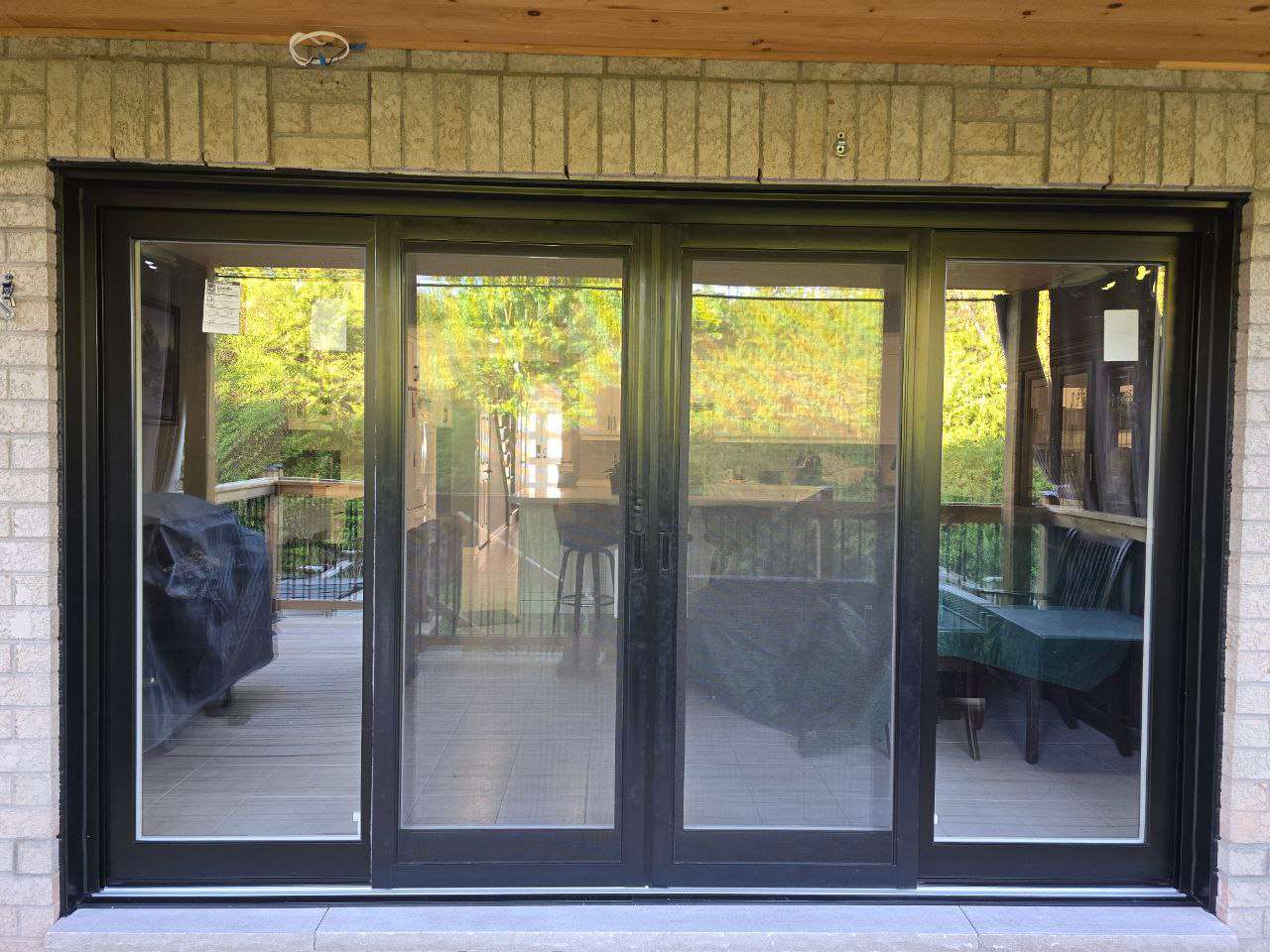
Just Got New Windows and They Are Fogging Up? Here Is What Is Going On
It feels backwards: you replace drafty windows and now you see more condensation. It is common in the first winter, and it usually means the house got tighter — not that the new windows are bad.
This one surprises people every year. You replace old, drafty windows, and the first cold week you see condensation on the new glass. Naturally, you wonder if something went wrong.
In most cases, nothing did. Here is what is happening.
Your old windows were a hole in the wall
Old drafty windows leaked air all winter. That leaking air carried away heat — which you paid for — and it also carried away a lot of the moisture from showers, cooking and breathing.
Think of it like a bathroom with the window open during a shower: the mirror does not fog as much, but the room is freezing.
New windows close the hole
A properly sealed new window stops that leak. You keep the heat. But the moisture that used to escape through the gaps now stays inside, and it looks for the coldest surface to land on.
So the house went from "leaky and dry" to "tight and more humid." The windows are doing their job. The house just needs a little help getting rid of moisture on purpose, instead of through drafts.
Other first-winter causes
- Fresh renovation work. New drywall, paint and plaster release moisture as they dry — especially if you renovated at the same time.
- A humidifier set for the old house. If you used to run it high because the drafty house felt dry, it is now probably too high.
- Blinds and curtains hung close to the new glass, trapping cold air against it.
What to do
- Check your humidity with a hygrometer and compare it with the chart in our winter humidity guide.
- Turn the humidifier down, especially during cold snaps.
- Use the bathroom fan and range hood every time — longer than you think.
- Keep air moving around the windows: blinds open slightly, furniture off the heat vents.
- Run your HRV if you have one. If you do not, and the house stays humid, it may be worth asking a heating contractor about ventilation.
In most homes, condensation settles down once the humidity is in the right range.
A quick way to tell it is the house, not the window
- Is the condensation on the inside surface of the glass? That is humidity.
- Is it mostly at the bottom of the glass? Normal — that is the coldest spot.
- Does it clear during the day or when you run the fans? Humidity.
- Is there moisture between the panes on a brand-new window? That is not normal — call us, it is covered.
And the outside dew?
If you now see dew on the outside of the new windows on cool mornings, that is a good sign. It means the glass is keeping your heat in — the same reason your car windshield gets dew overnight. See why outside condensation is good news.
We are here after the install
If something does not look right, call us. We would much rather come out and explain than have you worry all winter.
Call +1 (778) 361-2515 — live agent, Mon–Fri, 9am–5pm Calgary time.
Related articles
Why Your Windows "Sweat" in Winter — and Why It Is Usually Not the Window
September 28, 2026
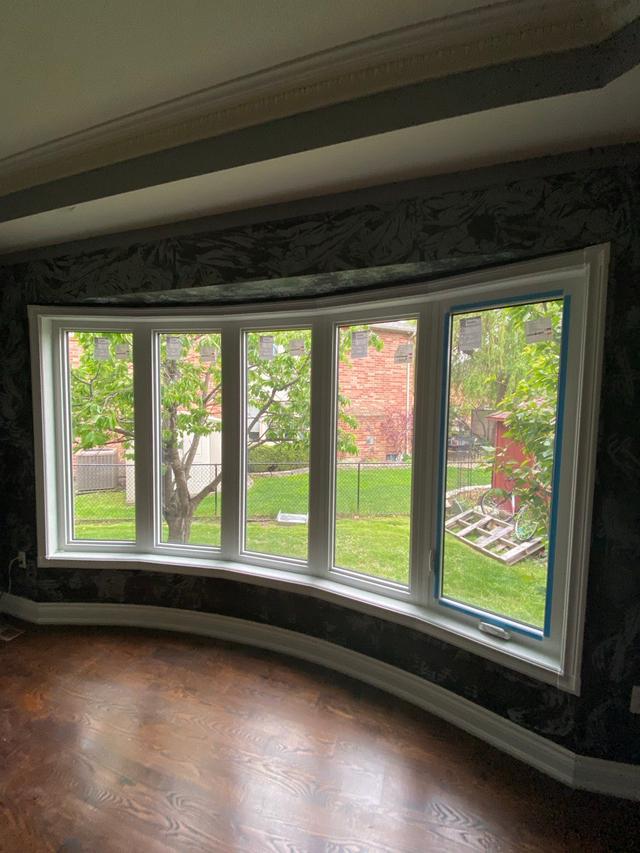
Condensation on the Outside of Your Windows? That Is Good News
September 28, 2026

Where Does the Water on Your Windows Come From? Everyday Moisture in Your Home
September 28, 2026

Wet Bedroom Windows Every Morning? Here Is Why
September 28, 2026